
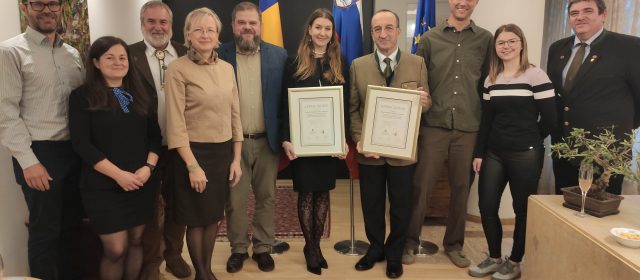
On November 15, the Embassy of the Republic of Slovenia in Bucharest organized a formal reception for all Romanian organizations that are key to the success of the LIFE Lynx project. The meeting took place at the residence of Ambassador Lea Stančič and was attended by representatives of ACDB, the Romanian Ministry of Environment, Romsilva and representatives of the Slovenia Forest Service. Rok Černe, LIFE Lynx project coordinator,...
Read More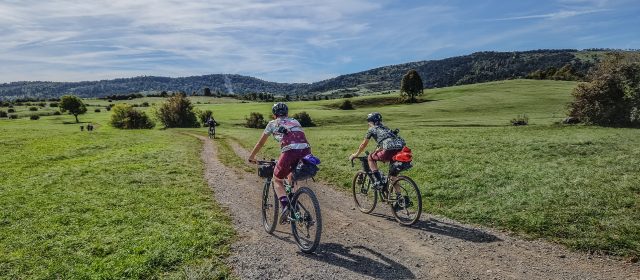
In October, a team of enthusiastic cyclists from the European cycling community GravGrav and clothing company I-RIS.cc came to Slovenia in search of the best route for cyclists to be able to explore the Dinaric Mountains. Local cyclists and representatives of LIFE Lynx joined them, to cycle along the routes of the Lynx Walk to find the best cycling option for a new Lynx Cycling Trail. After cycling the routes of the Lynx Walk, Max...
Read More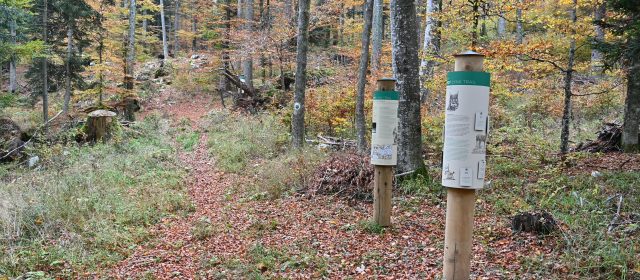
What are the three features by which the lynx is easily recognisable? What do we use to monitor the movements of lynx? What does the lynx mainly feed on? The answers to these questions and more can be found at the end of the Lynx Educational Trail, which we opened in September 2021, at the mountain hut »Koča pri Jelenovem studencu«, in Kočevje. At the end of the trail, we added a new notice board named “Lynx Quiz”, which...
Read More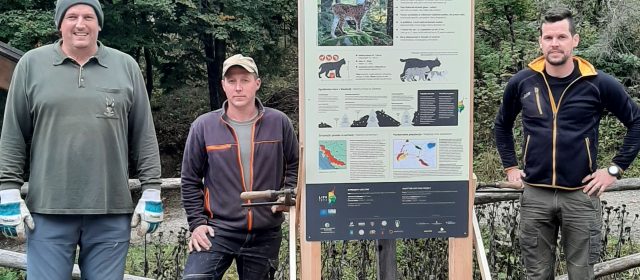
The support of local people plays a key role in the introduction of lynx. In the framework of the Local Consultative Groups, we organized a yearly gathering of the group members as a thank you for their cooperation. This time the event took place on Vodiška Mountain in Gorenjska, where one of the seven new LIFE Lynx information boards about the lynx are already in place. Firstly, the project coordinator, Rok Černe presented the plans...
Read More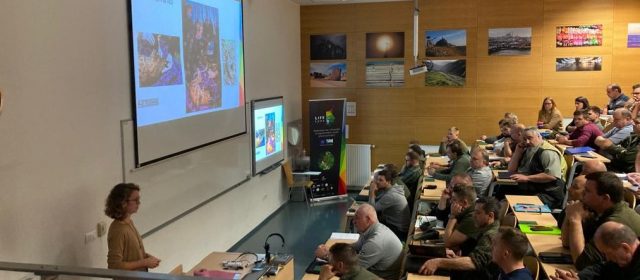
Within the Slovenian hunting organization, gamekeepers are those who, in the scope of their training, acquire in-depth knowledge of various hunting topics, such as hunting legislation, game management, ungulate ecology, hunting cynology and others. For gamekeepers from the project area, in-depth knowledge in the field of ecology, biology and lynx conservation is also important for a better understanding of lynx behavior and the...
Read More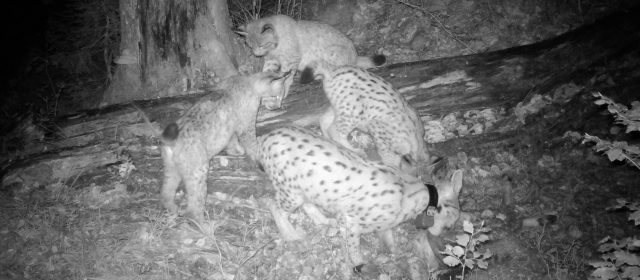
When you have three adolescent lynx to feed, feeding at the same time doesn’t seem to be an option. However, eventually everyone gets its turn at the prey remains. The young lynx are now about six months old and will soon have to learn how to catch prey for themselves. Lynx mother Julija lets them fight their own battles, as they will have to when they grow up. Setting camera traps at lynx kill sites gives us an excellent...
Read More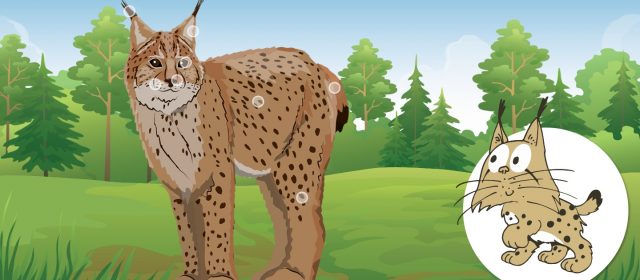
With the new online interactive lessons, you can test your knowledge about lynx, step into the shoes of a researcher, find lynx’ prey, or learn how to set up a camera trap to photograph a lynx. The lessons are designed for children aged 6 to 9, but everyone is welcome to play and test their knowledge. Even with wrong answers, you can learn something new! Enjoy the game. You can download these lessons also via a QR code placed on the...
Read More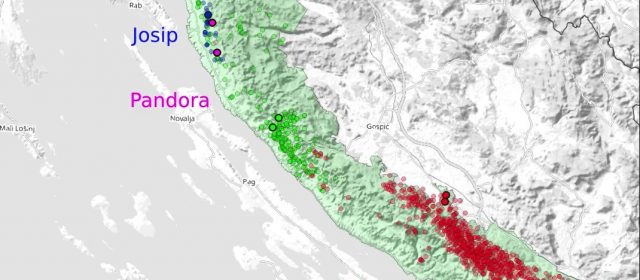
We are using telemetry collars to monitor movement and activity of all translocated lynxes. We are especially interested in their exploratory movements after the release and until they establish their territory. To fully understand this process, we also capture and collar resident animals. At the moment we are monitoring five neighboring lynxes on Velebit Mountains in Croatia, three of them were translocated from the Carpathians and...
Read More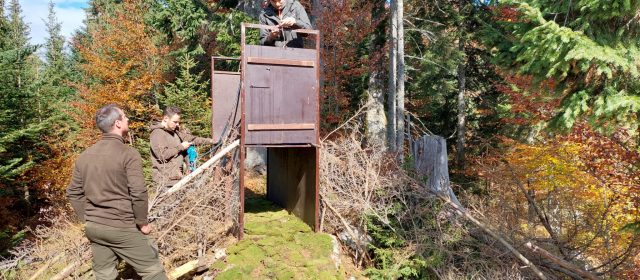
In July, we started with camera trapping in Gorenjska to find out what is the status of lynx Tris, Lenka and Zois, whose telemetry collars stopped working this year. Photographs confirmed that Tris and Lenka are still present in Triglav National Park, so we chose the best locations for their recapture. In cooperation with Bled Hunting Club, LIFE Lynx team set up the first box-trap on the top of an isolated ridge while the second...
Read More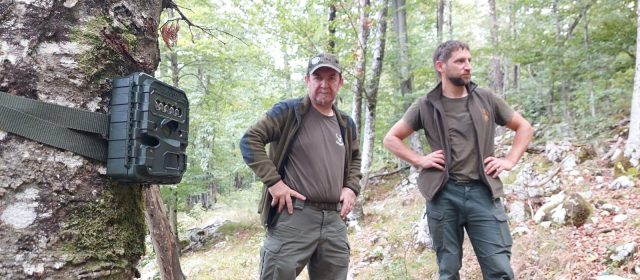
For the fifth season in a row, lynx monitoring with camera traps is being carried out in Slovenia in close cooperation with hunters from hunting clubs and state managed hunting grounds (LPNs). Each year more and more hunting clubs join this activity; this year we joined forces with 58 hunting clubs and six state managed hunting grounds from the Kočevska, Notranjska, Northern Primorska and Gorenjska regions. In each participating...
Read More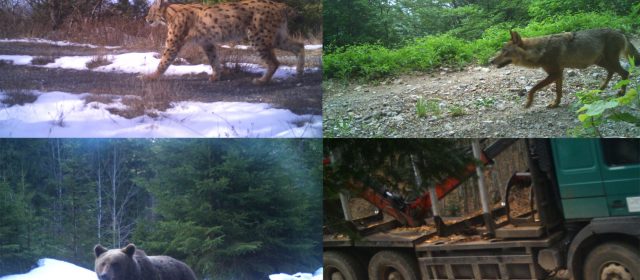
Data from camera traps set within LIFE Lynx project are primarily used for continual monitoring of the success of lynx repopulation. However, camera-trap data also offers the opportunity to address unresolved questions regarding species ecology and community interactions. With that aim, the new study on the impacts of human activity on Eurasian lynx (Lynx lynx), grey wolf (Canis lupus) and brown bear (Ursus arctos) was conducted by...
Read More