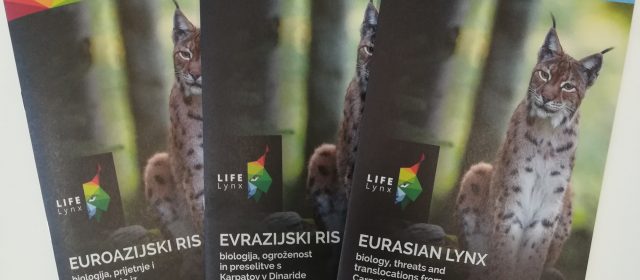
As a small booklet, the brochure “Eurasian lynx – biology, threats and translocations from Carpathians to Dinarides” tells the story of lynx in general and about Carpathian and Dinaric lynx populations. In it you can find something about its past, present, and something about lynxes lives. How can a lynx potentially affect hunting performance in areas where it is present? What is the condition of lynx populations in Romania and...
Read More
Nine schools in Slovenia are cooperating with us within the Young Lynx Guardians programme. But now lynx can be part of lessons in other schools as well. A new handbook for teachers in the upper grades of primary school entitled “Ecology and conservation biology of lynxes” was published. The content of this manual follows the school curriculum and helps teachers explain certain topics on the example of lynx. The manual consists of...
Read More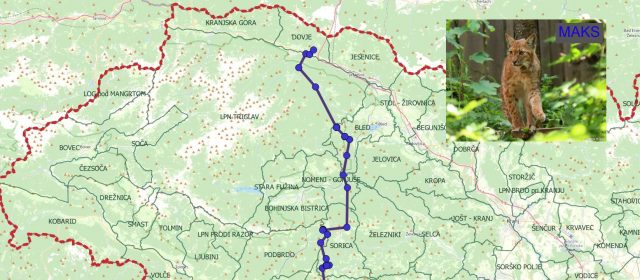
The journey of lynx Maks is more and more interesting every day. Since our last report in the beginning of December, the path took him further north, near the state borders of Slovenia, Austria, and Italy. This news is exciting, but also a little bit worrying, because if he goes further, out of the SE Alpine area, he won’t be able to carry out his mission; to help the Dinaric-SE Alpine lynx population from extincion. Our project team...
Read More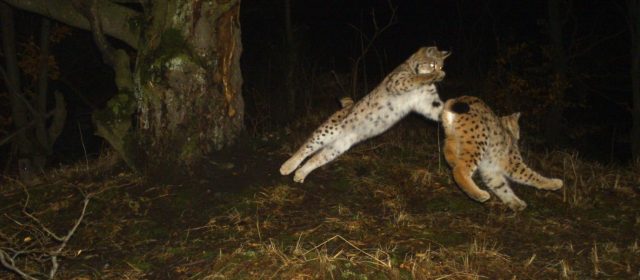
For the reintroduction, reinforcement, and conservation purposes, relevant and systematic research of the lynx population is needed. Reliable data on lynx abundance, trends, genetic diversity, and health status are the basis of such research, that allow us to assess whether the lynx population in an area corresponds with the favourable status for lynx as a species of European importance, and whether it is suitable for capturing and...
Read More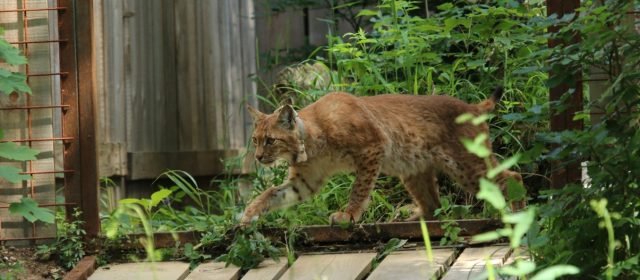
The last lynx that was translocated in 2020 was named after a legendary Slovenian hunter Maks Konečnik. After spending 20 days in a quarantine enclosure in Snežnik, Maks was released into nature at the end of June. We are monitoring his movements with a telemetry collar and for now he still didn’t establish his own territory. After the release he was moving in the Javorniki area on the territory of lynx Doru. After a few months...
Read More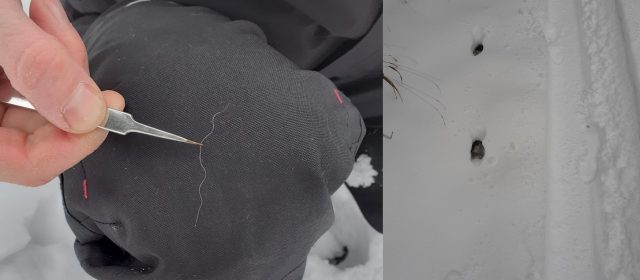
My name is Špela Čonč and I am a research assistant at the Anton Melik Geographical Institute and a doctoral student at the Biotechnical Faculty in the field of Biosciences – Protection of Natural Heritage. I am preparing a doctoral dissertation under the mentorship of dr. Miha Krofel and co-mentor dr. Mateja Breg Valjavec on the topic of GIS modelling of lynx movement depending on the relief features. Since I will need as much...
Read More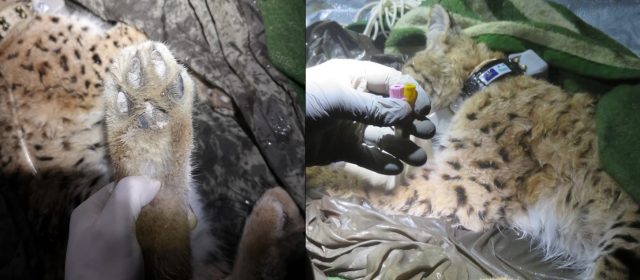
St. Nicholas brought the best present for our project team. On December 6, 2020, colleagues from Department of Biology, Biotechnical Faculty, successfully collared one of the two kittens of Slovenian resident female lynx Teja and (most likely) translocated male lynx Goru. However, we have to wait for genetic analysis to confirm Goru is the father. The male kitten was thoroughly measured and has almost 11 kg, which is about average...
Read More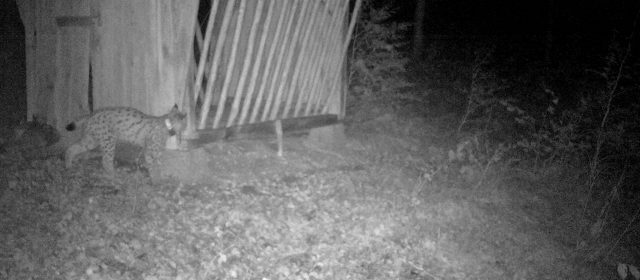
Among all known resident lynx in Slovenia, the story of Mihec is one of the most exceptional ones. He was named more than a decade ago, when researchers captured and collared him as an adolescent lynx. They were following him for a year until his independence. In 2020, the Slovenian LIFE Lynx project team was up for a surprise when they discovered that a lynx they captured was Mihec. The data from his new collar shows us also the size...
Read More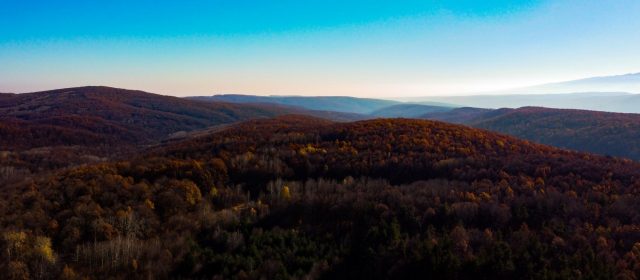
Despite the peculiar times, the team of ACDB, Romanian partner in the LIFE Lynx project, doesn’t rest. With already three areas for lynx capturing established in cooperation with Romsilva and Natural Park Putna – Vrancea, they added another area in November 2020. Two box traps are set in the area of Tarcău Mountains, where hunters of Romsilva helped with the micro locations and setting of the traps. Altogether 10 box traps...
Read More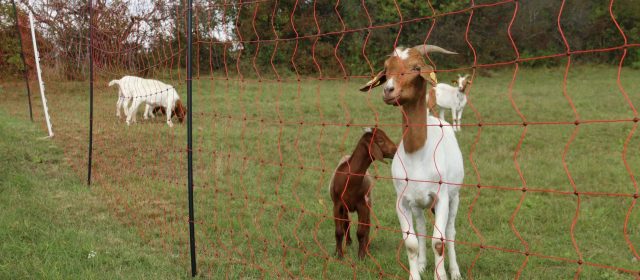
In 2020, we started distributing equipment for protection of grazing animals from large carnivores within the LIFE Lynx project. The aim of helping farmers is to protect grazing animals from possible attacks in the area where large carnivores are present. In this regard, the lynx is not causing problems, as it is extremely rarely preys on pastures. This year, we distributed five kits of equipment needed to set up enclosures of high...
Read More
Next year will be very important for the LIFE Lynx project, because we plan to translocate first lynxes to the Alpine area in Slovenia. By releasing five animals into this intermediate unoccupied habitat at the junction of SE Alps and the northernmost edge of Dinaric Mountains, we want to create an effective population “stepping stone” between the Dinaric and Alpine lynx sub-populations and thus enable long-term lynx conservation in...
Read More